Music Instruments
Company
Shop By Category
T&Cs
Shop Online
  • Box contents listed
  • Free tracked Australia-wide delivery over $150
  • 14-day returns

12 hole alto C ocarina | plastic ocarina | beginner ocarina

12 Hole Alto C Ocarina

$129.99 $155.99 Save $26
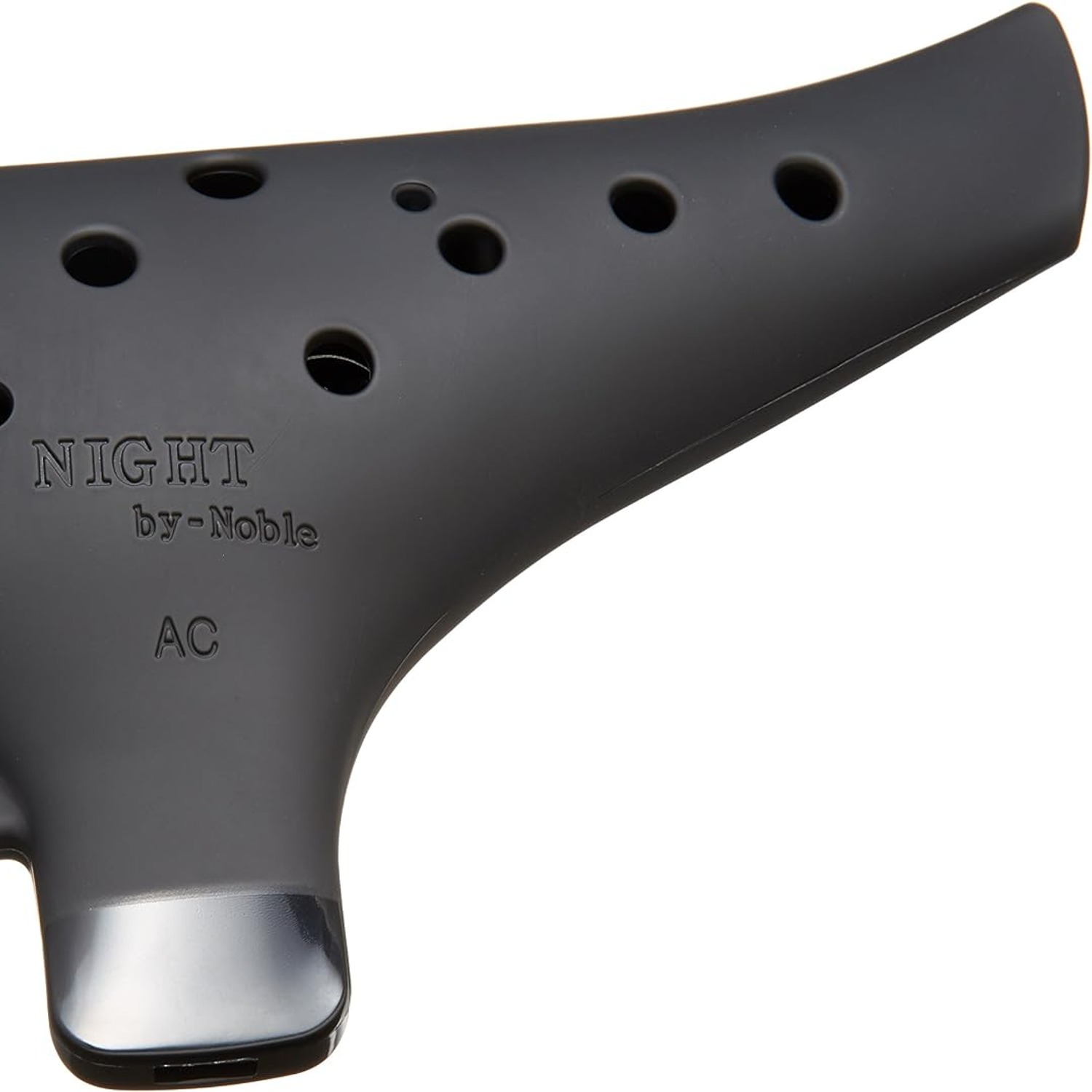
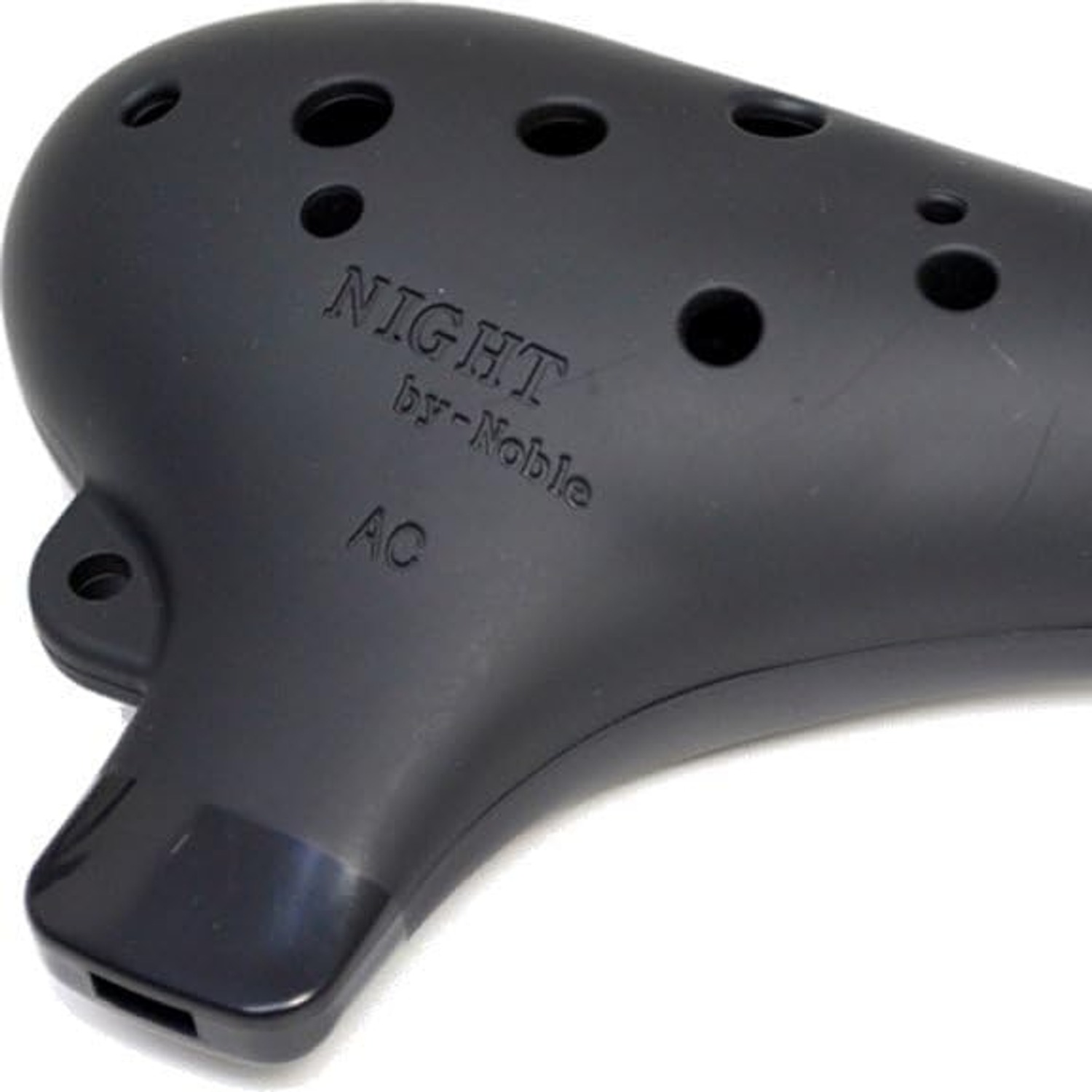
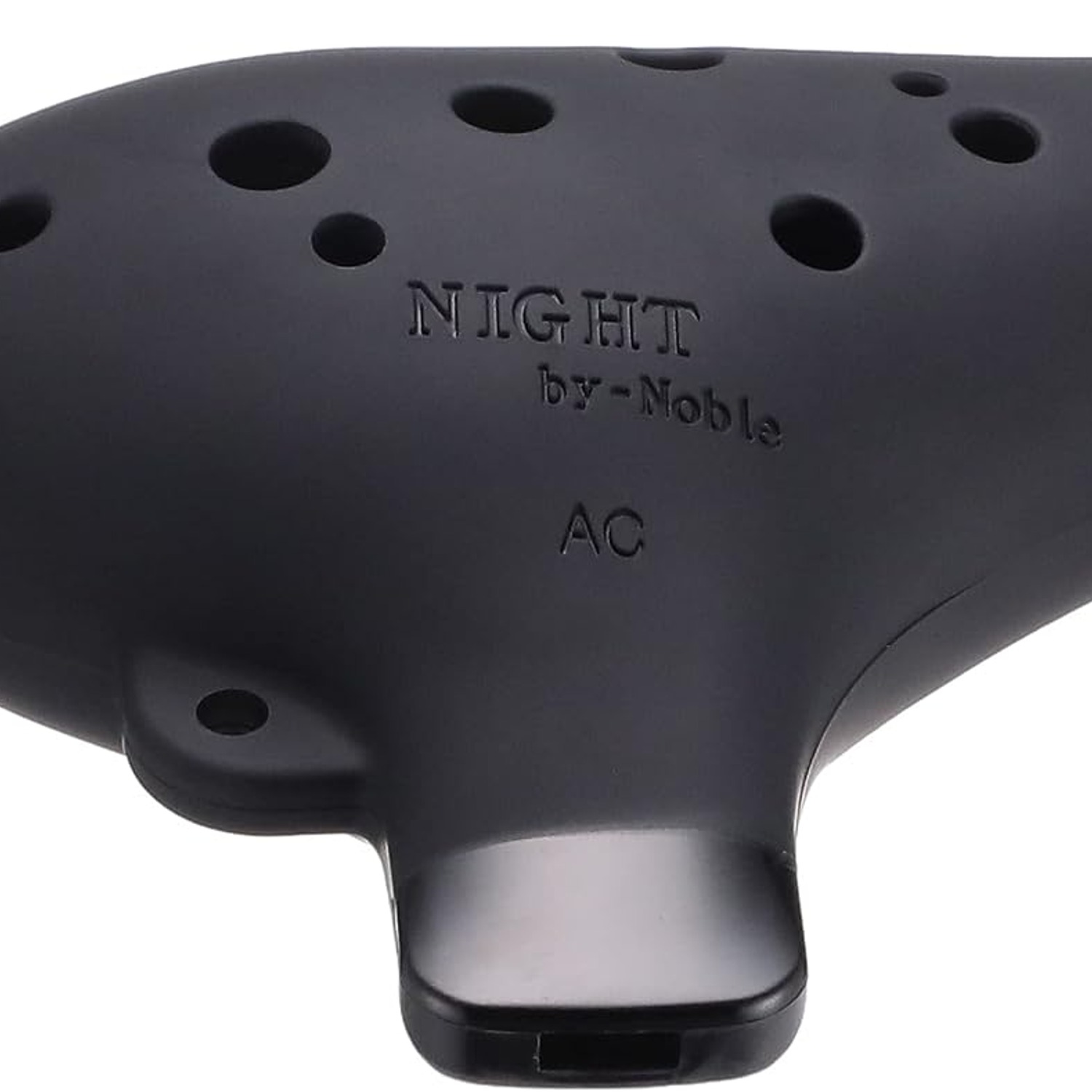
  • Twelve Finger Holes
  • Alto C Tuning
  • Light To Carry
  • Painted Black Finish

Price: $129.99 $155.99

  • Free tracked Australia-wide delivery on orders $150+, otherwise a flat $15
  • Pay by card or PayPal, handled by the payment provider
  • 14 days to change your mind, plus your statutory rights
Product specifications
BrandNIGHTオカリナ
ManufacturerNight By Noble
Model NumberN/N-プラACB
Manufacturer Part NumberN/N-プラACB
Instrument KeyC (Alto C)
Finger Holes12
ColourBlack
StyleRound
Finish TypePainted
Material TypeHorn
Included ComponentsMouthpiece
Number Of Items1
Item Weight141 g
Item Dimensions45 x 155 x 100 mm
Weight141 g
Shipping & returns

Tracked delivery anywhere in Australia. It is free on orders of $150 or more, and a flat $15 below that.

If it is not right for you, send it back within 14 days of delivery in resaleable condition and we refund the price you paid, including standard delivery. That is a voluntary policy we offer on top of your legal rights. You cover the cost of returning it unless the item is faulty.

If it arrives faulty, damaged or not as described, we put it right at no cost to you under the Australian Consumer Law and the Competition and Consumer Act 2010, return postage included.

Shipping details · Refunds and returns

Twelve Finger HolesA full twelve-hole layout for a wide playable range.
Alto C TuningKeyed in C, the most common tuning in ocarina sheet music.
Light To CarryJust 141 g, so it travels in a bag or coat pocket.
Painted Black FinishA matte painted surface that sits comfortably in the hands.

A 12 hole alto C ocarina that puts a warm, singing voice in the palm of your hand.

Twelve finger holes, a black painted finish and an alto C tuning give you a full two-octave range in an instrument light enough to carry anywhere.

A 12 hole alto C ocarina built for players who want real musical range without the weight or fragility of a large instrument.

Twelve finger holes give you access to the full chromatic fingerings most ocarina tutorials and tab books are written for.

The alto C key matches the majority of beginner sheet music, so you can play along with online lessons straight away.

At 141 g it slips into a bag, a glovebox or a coat pocket, which makes daily practice far more likely to actually happen.

The round body and painted black finish keep the instrument simple to hold, with nothing sharp or slippery under your fingers.

12 Hole Alto C Ocarina

The ocarina is one of the oldest ideas in music. A closed vessel with a hole to blow across and a set of finger holes to change the pitch. What makes this one useful is the combination of twelve holes and an alto C tuning, which together cover the range that nearly all beginner and intermediate ocarina music is written in. You are not fighting the instrument to find notes that should be there.

12 Hole Alto C Ocarina

Twelve holes matter more than people expect. A four or six hole ocarina is fun, but it limits you to a handful of keys and leaves gaps in the scale. With a twelve hole layout you get the standard fingering chart that tutorial books, YouTube lessons and tab sites all assume. That means when you look up a song, the fingerings on the page match the instrument in your hands.

Alto C is the default starting point for most players. Most ocarina sheet music, most beginner method books and most play-along videos are written for an alto C instrument. Choosing this key removes the transposing step that trips people up early on, and it keeps the tone in a comfortable middle register that is pleasant to listen to in a small room.

Physically, this is a small, light thing. It weighs 141 g and measures 45 x 155 x 100 mm, with a round body shape and a painted black finish. The manufacturer lists the material type as horn. It ships with a mouthpiece as the included component, and the listing describes a single item in the box. Country of origin and colour options beyond black are not specified in this record.

Practically, the appeal is that a portable instrument gets played. A guitar sits in a corner. An ocarina sits in your bag, and you pull it out on a walk, in a park, on a break. Ten minutes a day on something you actually carry will take you further than an hour a week on something you have to set up.

Not sure yet? That is fine.

An instrument has to suit the player, and you cannot always judge that from a photograph. If it is not right for you, send it back within 14 days of delivery in resaleable condition and we refund the price you paid, including standard delivery. That is on top of your Australian Consumer Law rights if anything arrives faulty.

If it turns up faulty, damaged or not as described, that is on us. The Australian Consumer Law and the Competition and Consumer Act 2010 covers you, and we pay the return postage. Read the full detail on our refunds and returns page, or ask us anything before you order.

Frequently Asked Questions

What exactly is an ocarina?

An ocarina is a vessel flute, which means the body is a hollow chamber rather than a tube. You blow into a mouthpiece and cover or uncover finger holes to change the pitch. Unlike a recorder, the note depends on how much total hole area is open, not where along a tube the hole sits.

What does "12 hole" mean on this ocarina?

It means there are twelve finger holes on the body, which is the standard layout for a full-range transverse ocarina. Twelve holes let you play a chromatic scale across roughly an octave and a half or more. It is the configuration nearly all ocarina tab and fingering charts are drawn for.

What key is this ocarina in?

It is tuned in alto C, which the manufacturer lists as the instrument key. Alto C is the most widely used ocarina key and the default assumption in most beginner method books. That makes it the easiest starting point if you plan to learn from published material.

Is this a good beginner ocarina?

Yes, the alto C tuning and the twelve-hole layout are exactly what most tutorials expect. You can pick up a free fingering chart online and the fingerings will match what is in your hands. Many people consider an alto C twelve hole to be the best beginner ocarina configuration for that reason.

What is the ocarina made of?

The manufacturer lists the material type as horn, with a painted finish in black. The product record does not break down the construction any further than that. If precise material composition matters for your purchase, treat the listing value as the only confirmed detail.

How much does it weigh?

It weighs 141 g. That is light enough to sit in a jacket pocket or a small bag without you noticing it. Weight is a real factor if you want a travel instrument you will carry every day.

What size is it?

The listed item dimensions are 45 x 155 x 100 mm. That puts it in the usual range for an alto C ocarina, roughly the length of a hand span. It is not a pocket-sized soprano, but it fits comfortably in two hands.

What comes in the box?

The listed included component is the mouthpiece, with a number of items value of one. The record does not mention a case, neck strap, songbook or cleaning cloth. Treat any accessories as not included unless stated.

Do I need to read music to play it?

No. Most ocarina learners start with fingering charts and tab, which show you which holes to cover for each note rather than using standard notation. Reading music helps later, but it is not a barrier to the first few tunes.

How long does it take to get a decent sound?

Most people get a clear note within the first few minutes, because the mouthpiece does the hard work of forming the airstream. Playing a clean scale usually takes a few sessions as you learn how much air each note wants. Steady tone across the full range is a matter of weeks, not years.

Why do high notes sound sharp or screechy?

Almost always because you are blowing too hard. An ocarina changes pitch with breath pressure as well as fingering, so each note has its own comfortable air level. Ease off gradually until the note settles, then remember that feeling.

Why do low notes sound weak or airy?

That is the opposite problem, usually too little air or a finger not fully sealing a hole. Check that each fingertip is flat over its hole rather than resting on the edge. Low notes need a gentle but steady breath rather than a hard push.

Can children play this?

Children with hands large enough to cover twelve holes generally manage well, which is typically from around eight or nine years old. Smaller hands may struggle to seal the larger holes. For younger players, a smaller six-hole instrument is often a better first step.

Is it suitable for adults with larger hands?

Yes. At 155 mm long the body gives adult fingers room to sit naturally, and the round shape is easy to grip. Many adult learners find a twelve-hole alto more comfortable than a tiny pendant ocarina.

Can I play video game and film music on it?

Yes, and that is one of the most common reasons people buy one. A twelve-hole alto C covers the range used in most popular ocarina arrangements. Plenty of free tab exists for well known game themes.

How loud is an ocarina?

Noticeably quieter than a flute or a recorder, closer to a soft whistle in volume. You can practise in a flat without upsetting neighbours in most cases. It carries well outdoors but will not cut through a loud band.

Does it need tuning?

No, the pitch is set by the body and hole sizes, so there is nothing to adjust. You control tuning in the moment through breath pressure, which is a skill rather than a setting. Playing along with a tuner app for a week is a good way to learn your own air pressure.

How do I clean it?

Let it dry completely after playing, then wipe the body and mouthpiece with a soft dry cloth. Blow out any trapped moisture before storing. If the mouthpiece needs more than a wipe, use mild soap and lukewarm water, then dry it fully.

Can I put it in a dishwasher?

No. Heat and harsh detergent can damage the painted finish and affect the instrument. Hand cleaning with a cloth and the occasional mild wash of the mouthpiece is all it needs.

How should I store it?

In a padded case or soft pouch, away from direct sunlight and anywhere it could be knocked or sat on. Keep the finger holes clear of lint and dust. A drawer or a dedicated bag pocket works fine.

Will it break if I drop it?

Any ocarina can be damaged by a hard fall onto a solid floor, so treat it with reasonable care. The painted finish may chip on impact even if the body survives. A soft pouch is cheap insurance for a travel instrument.

Does humidity or cold affect it?

Cold air can make the instrument sound slightly flat until it warms up in your hands, which is normal for wind instruments. Condensation inside the chamber can briefly muffle the tone, so blow it clear. Avoid leaving it in a hot car or on a sunny windowsill.

Can I play it outdoors?

Yes, and portability is one of its best features. Many players treat it as the best travel ocarina option precisely because it goes in a backpack. Just keep it dry and wipe it down afterwards.

Is this a chromatic instrument?

A twelve-hole ocarina covers the chromatic notes within its working range using half-holing and cross fingerings on some pitches. You will not have the same key flexibility as a piano, but you can play sharps and flats. Standard twelve-hole fingering charts show all of these.

What range does an alto C twelve hole cover?

The usual working range for this layout is around an octave and a half, with some players stretching a little further with careful breath control. The exact top and bottom notes are not listed in the maker's listing. Standard alto C charts are the best reference.

Can I play it with other instruments?

Yes. Being in C means it matches guitar, piano and most sheet music without transposing. Volume is the main limitation, so it pairs best with quiet accompaniment.

Does it make a good gift?

It does, especially for someone curious about music but put off by the size or cost of larger instruments. It is small, self-contained and playable within minutes. Pair it with a printed fingering chart and you have a complete present.

How does it ship and how long will delivery take?

We deliver anywhere in Australia with a tracked courier. Most orders arrive within 3 to 7 working days of the order date, a little longer to regional and remote addresses. Delivery is free on orders of $150 or more and a flat $15 under that. You get a tracking link by email as soon as the parcel is on its way.

What if the ocarina arrives damaged?

Contact us with your order number and a photo of the item and packaging as soon as you can. Transit damage is handled as a priority. Keep the original packaging until the issue is resolved.

What if it is not the right instrument for me?

Get in touch within the returns window and we will walk you through the options, including a return for refund on an unused item in its original condition. If you simply find the twelve-hole layout too large for your hands, tell us and we can point you toward a smaller format. Nobody should be stuck with an instrument they cannot comfortably play.

Choosing And Playing A 12 Hole Alto C Ocarina

6 min read Music Instruments

The problem with wanting to play an instrument

Most people who say they wish they could play music are not short of desire. They are short of a low-friction starting point. A guitar needs tuning, space and calloused fingers. A piano needs a piano. A flute needs an embouchure you cannot build in a week. So the wish stays a wish, and the instrument stays unbought.

An ocarina removes almost all of that friction. You blow into a mouthpiece and a note comes out, clearly, the first time you try. No lip shape to master, no reed to crack, no tuning pegs. From there the only thing standing between you and a tune is learning which holes to cover, and a chart will tell you that in thirty seconds.

What the ocarina does not do is stay easy forever. Breath control, tuning by ear and smooth transitions between registers take real practice. That is the good part. It gives you somewhere to go.

How a twelve hole ocarina actually works

A recorder is a tube. Where you open a hole along that tube decides the pitch. An ocarina is a sealed chamber, and that changes the physics completely. The pitch depends on the total area of open hole, not the position. Open two small holes anywhere on the body and you get the same note as opening one hole of equal area somewhere else.

This is why ocarina fingerings look strange at first. They are not a straight line down the instrument. They are combinations, chosen so that each note has a fingering that is physically comfortable. Once that clicks, the chart stops looking random.

The second variable is breath. On a recorder, blowing harder mostly makes it louder. On an ocarina, blowing harder makes it sharper. Each note has a sweet spot of air pressure where it sits in tune, and low notes want less air than high ones. Learning that gradient is the main skill of the instrument, and it is why a tuner app is genuinely useful in the first month.

Twelve holes is the point where an ocarina becomes a serious instrument rather than a novelty. Four and six hole models are fun and very portable, but they are limited in range and in which keys they can handle. A twelve hole layout gives you the full chromatic set of fingerings and a working range of roughly an octave and a half. Crucially, it matches the standard charts that every tutorial, tab site and method book uses.

Why alto C is the key to start in

Ocarinas come in different sizes and keys. Soprano models sit higher and sound brighter. Bass models are large and breathy. Alto sits in the middle, and alto C is the most common of all.

That popularity is the practical argument. When you search for ocarina tab online, the overwhelming majority of it assumes an alto C instrument. When you buy a beginner book, it is almost certainly written for alto C. When you watch a lesson video, the player is probably holding one. Choose a different key and you add a transposing step to every single piece you learn, which is a tax you do not need in your first year.

Alto C also sits in a pleasant listening register. It is warm rather than piercing, which matters a lot when you are practising the same eight bars for twenty minutes in a small room. Your household will thank you.

This particular instrument is listed in the key of C with twelve finger holes, which puts it squarely in the standard beginner category. For most people looking for the best alto C ocarina to start on, that combination is the one to aim for.

Who this suits

Adult beginners are the obvious fit. The 155 mm body gives full-sized fingers room, and the round shape sits naturally in two hands. If you have tried and abandoned a larger instrument, the sheer convenience here changes the maths.

Older children and teenagers do well too, provided their hands can comfortably cover twelve holes. That is usually from around eight or nine, though it varies. If a child's fingers cannot seal the larger holes, notes will leak and the experience becomes frustrating rather than fun. A smaller six hole model is a kinder first step in that case.

Existing musicians who want a travel instrument are another natural group. If you play guitar or piano, you already read music and understand phrasing, and an ocarina gives you something to take on a walk or a camping trip. At 141 g it is barely luggage.

People drawn in by game and film soundtracks make up a big share of ocarina buyers, and this layout serves them well. The popular arrangements are written for exactly this kind of instrument.

How to choose between ocarinas

Start with hand size. It is the single most common reason a first ocarina gets abandoned. Hold your hand against the listed dimensions, 45 x 155 x 100 mm, and picture your fingers spread across twelve holes. If that feels like a stretch, go smaller.

Then consider where you will play. If the answer is mostly at home, size matters less and you can pick for tone. If the answer is in a bag, on trains, in parks, then weight and durability move up the list. A 141 g instrument you carry beats a heavier one you leave at home.

Think about what you want to play. Simple folk melodies and nursery tunes sit happily on six holes. Anything with accidentals, key changes or a wider range needs twelve. If you have a specific song in mind, look up its tab first and count the notes it needs.

Finally, be honest about how much you will practise. The best practice ocarina is the one within arm's reach. Portability is not a minor feature, it is the thing that determines whether you still own a playable skill in six months.

Looking after it

Ocarina care is simple and mostly about moisture. Your breath carries water vapour, and some of it condenses inside the chamber. Left there, it dulls the tone and over time it is not good for the instrument. So after each session, blow the chamber clear and let the ocarina sit out until it is dry before putting it away.

Wipe the body and mouthpiece with a soft dry cloth. If the mouthpiece needs more, mild soap and lukewarm water will do, followed by a thorough dry. Skip the dishwasher, skip hot water, and skip solvent cleaners. The painted finish on this model will not thank you for any of them.

Store it in a padded pouch or small case. The real risks to an ocarina are being dropped on tile, being sat on, or spending an afternoon on a hot dashboard. A soft case handles the first two and your habits handle the third.

Keep the holes clear. Pocket lint is the usual culprit, and a blocked hole will put a note badly out of tune in a way that feels like you have suddenly got worse at playing.

Your first fortnight

Print a twelve hole alto C fingering chart and keep it next to the instrument. Spend the first few sessions just playing a slow ascending and descending scale, paying attention to how much air each note wants. Use a free tuner app and watch the needle. You will quickly see that you overblow the top and underblow the bottom, like nearly everyone does.

Once the scale is reliable, pick one short tune you genuinely like. Learn it in small pieces rather than attempting the whole thing. Eight bars played cleanly is worth more than a full song played roughly.

Ten minutes a day is plenty. The instrument is small enough that ten minutes is easy to find, and that is really the whole argument for it.

The short version

This is a twelve hole alto C ocarina with a round body, a painted black finish, a listed material type of horn, and a mouthpiece included. It weighs 141 g and measures 45 x 155 x 100 mm. The twelve hole layout matches standard fingering charts, and the alto C key matches most beginner sheet music, so you can start learning from free material straight away.

It suits adults and older children with hands big enough to cover twelve holes, and it suits anyone who wants an instrument small enough to actually carry. Keep it dry, keep it in a pouch, and give it ten minutes a day. That is genuinely all it asks.

Browse the shop

Not sure which ocarina suits you?

Tell us your hand size, your experience level and the kind of music you want to play, and we will point you to the right instrument.

Ask us a question

Page summary

The 12 Hole Alto C Ocarina is a twelve-hole vessel flute keyed in alto C, sold under the brand NIGHTオカリナ and manufactured by Night By Noble, model and part number N/N-プラACB. It has a round body with a painted black finish, a listed material type of horn, and ships with a mouthpiece as the included component (one item per pack). The instrument weighs 141 g and measures 45 x 155 x 100 mm. The twelve-hole layout matches standard ocarina fingering charts, and the alto C key aligns with most beginner sheet music and tutorials. Country of origin, specific colour options beyond black, and any warranty are not specified in the maker's listing. No verified rating or review count is recorded here.